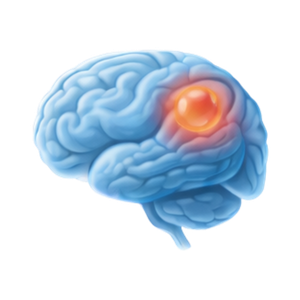
Brain Tumor Surgery in India
Advanced resection with neuromonitoring, awake craniotomy, and neuro-navigation.
Read MoreSpinal Stenosis Treatment in India
Spinal stenosis treatment and advanced spine care in India
Spinal stenosis treatment and advanced spine care in India
Specialised evaluation and treatment for spinal stenosis, a condition in which narrowing of the spinal canal or nerve passageways can put pressure on the spinal cord or spinal nerves and cause pain, numbness, weakness, or difficulty walking.
Diagnosis combines symptoms, neurological examination, and appropriate imaging. MRI can help identify narrowing and determine whether the spinal cord or nerve roots are being compressed.
Treatment depends on the severity of symptoms, degree of nerve or spinal cord compression, underlying cause, and response to non-surgical care. Depending on the individual case, treatment may include medicines, physiotherapy, injections, decompression surgery, or other appropriate spine procedures.
When surgery is appropriate, the procedure is selected according to the location and severity of spinal narrowing. Decompression and, when necessary, stabilisation procedures may be considered. Minimally invasive approaches may be suitable for selected patients.
Symptoms vary depending on whether the narrowing affects the cervical, thoracic, or lumbar spine. Some people may have spinal stenosis on imaging without significant symptoms.
Spinal stenosis can develop gradually as the structures surrounding the spinal canal change. The cause and severity vary between patients.
Degenerative changes in the spine can gradually reduce the available space for nerves.
Disc bulging or degeneration may contribute to narrowing around spinal nerves.
Bone spurs and enlargement of spinal joints can reduce the space available for neural structures.
Congenital narrowing, previous spinal injury, or other conditions can also contribute to spinal canal narrowing.
Not every patient with spinal stenosis needs surgery. Treatment is selected according to symptoms, neurological findings, imaging results, functional limitations, and response to conservative treatment.
Medicines may help manage pain and other symptoms as part of conservative care.
Exercise and rehabilitation may help improve mobility, strength, and function in appropriate patients.
Surgery may be considered when significant nerve or spinal cord compression causes persistent or progressive symptoms.
Selected patients may be suitable for minimally invasive or endoscopic techniques depending on the underlying spinal problem.
Surgery is generally considered when symptoms significantly affect daily activities or when neurological problems persist, worsen, or do not respond adequately to non-surgical treatment.
Persistent pain or functional limitation despite appropriate conservative treatment.
Progressive weakness, numbness, or other neurological symptoms.
Significant spinal cord or nerve-root compression on appropriate imaging that corresponds with the patient's symptoms.
Recovery varies according to the type of surgery, the level of the spine treated, the severity and duration of nerve compression, and the patient's overall health.
Follow-up care may include wound care, gradual return to activity, physiotherapy or rehabilitation when appropriate, and monitoring of neurological symptoms. The treating surgeon provides individual recovery instructions based on the procedure performed.
Dr. Atmaranjan Dash is an AIIMS New Delhi-trained Neurosurgeon and Advanced Spine Surgeon providing evaluation and surgical care for spinal disorders. Treatment decisions are based on the patient's symptoms, neurological findings, imaging, and individual clinical needs.
Treatments & Services
Expert care for complex neurological and spinal disorders with modern techniques.
Advanced resection with neuromonitoring, awake craniotomy, and neuro-navigation.
Read More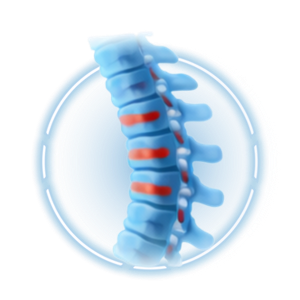
MISS techniques for disc herniation and stenosis with faster recovery and less pain.
Read More
Ultra-precise decompression through small incisions and day-care procedures.
Read More
Acute ischemic stroke intervention, mechanical thrombectomy, and rehabilitation.
Read More
24/7 emergency response for head injury, spinal fracture, and intracranial hemorrhage.
Read More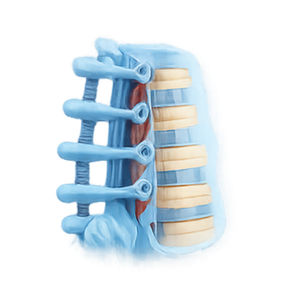
Instrumented fusion, laminectomy, and spinal stabilization for trauma or degeneration.
Read More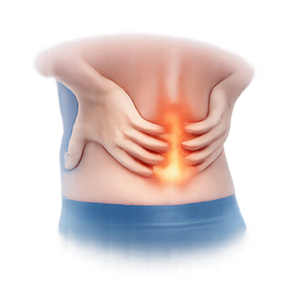
Multimodal care including nerve blocks, radiofrequency ablation, and surgical solutions.
Read More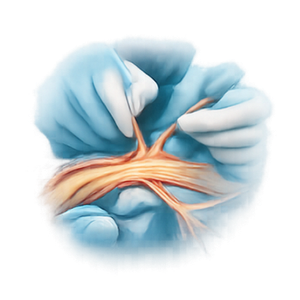
Nerve decompression, nerve repair, brachial plexus injuries, and carpal tunnel release.
Read MoreFind specialized neurosurgery and spine services in your city.