
Brain Tumor Surgery in India
Advanced resection with neuromonitoring, awake craniotomy, and neuro-navigation.
Read MoreCarpal Tunnel Surgery in India
Carpal tunnel syndrome treatment and surgery in India
Carpal tunnel syndrome treatment and surgery in India
Specialised evaluation and treatment for carpal tunnel syndrome, a condition caused by compression of the median nerve at the wrist that can lead to numbness, tingling, pain, and weakness in the hand.
Diagnosis is based on the patient's symptoms, clinical examination, and, when appropriate, nerve conduction studies or other investigations. These assessments help determine the severity of median nerve compression and guide treatment decisions.
Treatment depends on symptom severity, duration, nerve function, and response to non-surgical care. Depending on the individual case, treatment may include activity modification, wrist splinting, medicines, injections, or surgical release of the carpal tunnel.
Carpal tunnel release surgery relieves pressure on the median nerve by releasing the ligament forming the roof of the carpal tunnel. The procedure may be considered when symptoms persist, nerve compression is significant, or conservative treatment does not provide adequate relief.
Carpal tunnel syndrome occurs when the median nerve is compressed as it passes through the carpal tunnel at the wrist. Symptoms can develop gradually and may become more noticeable during the night or while using the hand.
Carpal tunnel syndrome can occur when pressure within the carpal tunnel affects the median nerve. Several conditions and factors may increase the likelihood of developing symptoms.
Repeated wrist or hand movements may contribute to symptoms in some people.
Previous wrist injury or structural changes can reduce space within the tunnel.
Certain medical conditions may increase the risk of median nerve compression.
Fluid retention and other physiological changes can contribute to symptoms in some patients.
Treatment is selected according to the severity of symptoms, nerve function, duration of the condition, and response to conservative measures. Surgery is not necessary for every patient.
A wrist splint may help keep the wrist in a neutral position and reduce pressure on the median nerve.
Medicines may be used to manage symptoms as part of an overall treatment plan.
Selected patients may be considered for corticosteroid injection to temporarily reduce symptoms.
Surgical release creates more space for the median nerve and may be recommended for persistent or significant nerve compression.
Surgery may be considered when symptoms continue despite appropriate non-surgical treatment or when testing indicates significant median nerve compression. Earlier specialist assessment can be important when there is persistent weakness or muscle wasting.
Persistent numbness, tingling, or pain despite conservative treatment.
Nerve conduction testing or clinical findings showing significant nerve compression.
Progressive hand weakness, reduced grip strength, or muscle wasting.
Carpal tunnel release involves dividing the transverse carpal ligament to relieve pressure on the median nerve. The exact surgical technique depends on the patient's condition and the surgeon's assessment.
Recovery varies between patients. Some symptoms may improve relatively quickly, while recovery of nerve function can take longer, particularly when compression has been severe or longstanding. Activity restrictions and follow-up instructions are provided according to the procedure performed.
Dr. Atmaranjan Dash provides specialised evaluation and surgical care for neurological and nerve-related conditions. Patients with suspected carpal tunnel syndrome can be assessed to determine the cause and severity of symptoms and whether conservative treatment or surgical nerve decompression is appropriate.
No. Many patients can initially be managed without surgery. Surgery may be considered when symptoms persist, nerve compression is significant, or weakness and other neurological changes develop.
Diagnosis usually involves a clinical assessment and may include nerve conduction studies or other tests when needed to confirm the diagnosis and assess nerve function.
The surgeon releases the ligament over the carpal tunnel to reduce pressure on the median nerve. The specific surgical approach depends on the individual patient and clinical circumstances.
Treatments & Services
Expert care for complex neurological and spinal disorders with modern techniques.
Advanced resection with neuromonitoring, awake craniotomy, and neuro-navigation.
Read More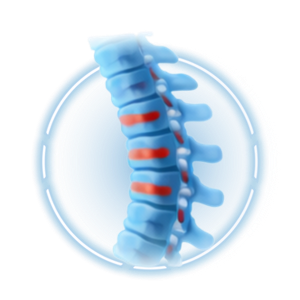
MISS techniques for disc herniation and stenosis with faster recovery and less pain.
Read More
Ultra-precise decompression through small incisions and day-care procedures.
Read More
Acute ischemic stroke intervention, mechanical thrombectomy, and rehabilitation.
Read More
24/7 emergency response for head injury, spinal fracture, and intracranial hemorrhage.
Read More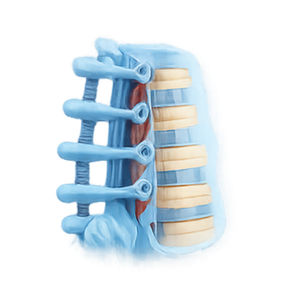
Instrumented fusion, laminectomy, and spinal stabilization for trauma or degeneration.
Read More
Multimodal care including nerve blocks, radiofrequency ablation, and surgical solutions.
Read More
Nerve decompression, nerve repair, brachial plexus injuries, and carpal tunnel release.
Read MoreFind specialized neurosurgery and spine services in your city.